
Village de caractère en Ardèche
Opening : All year round daily.
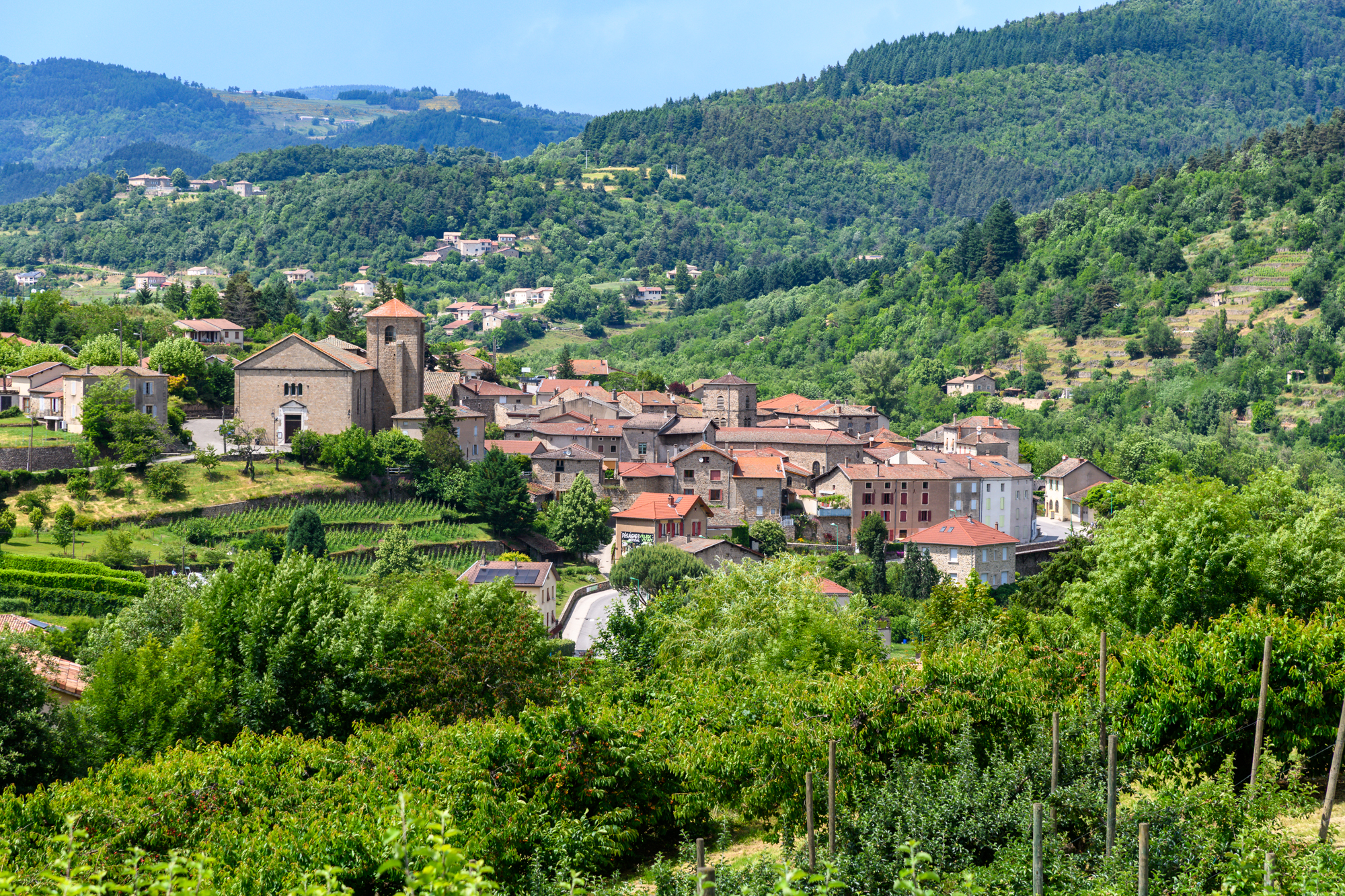
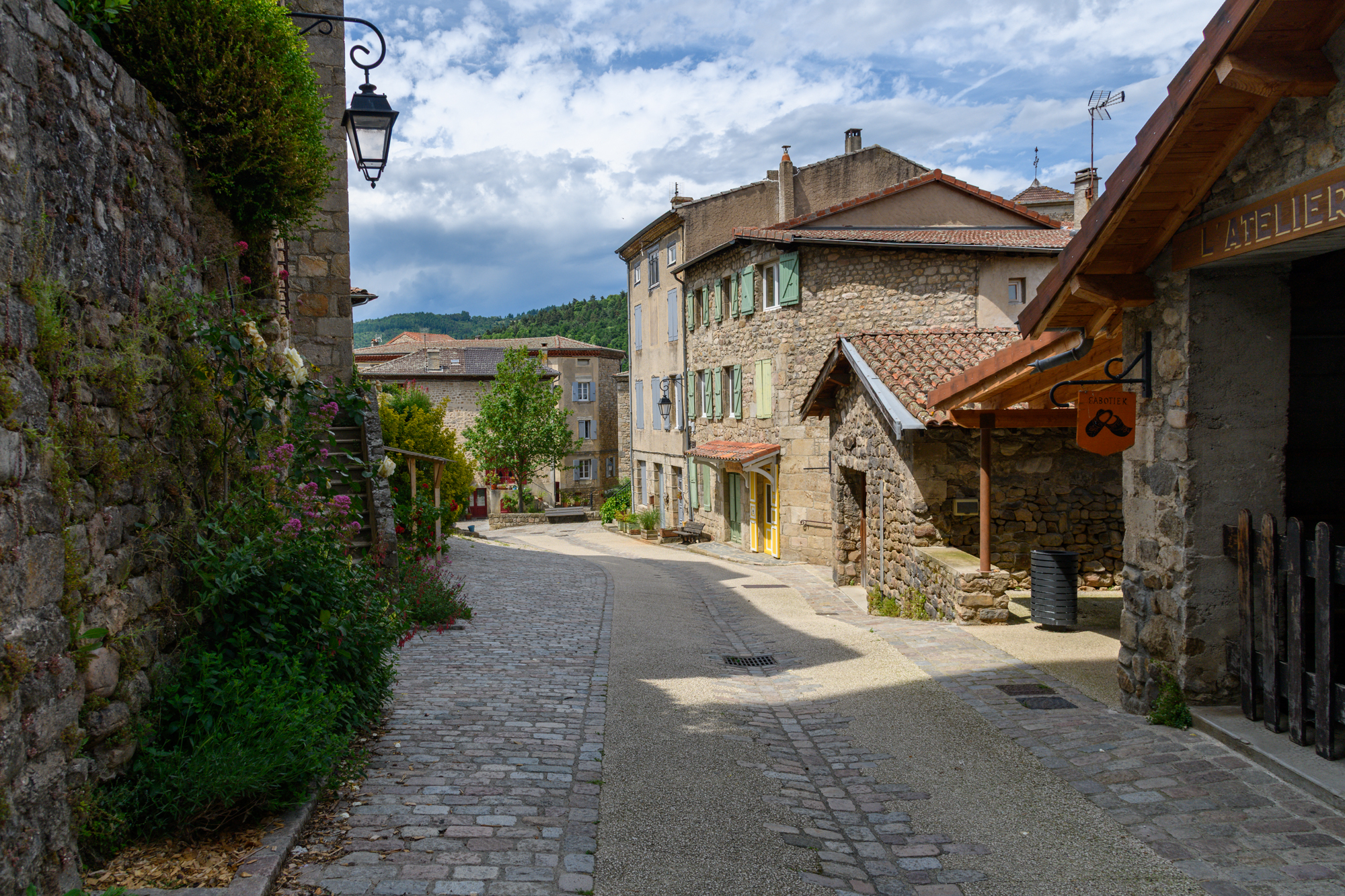
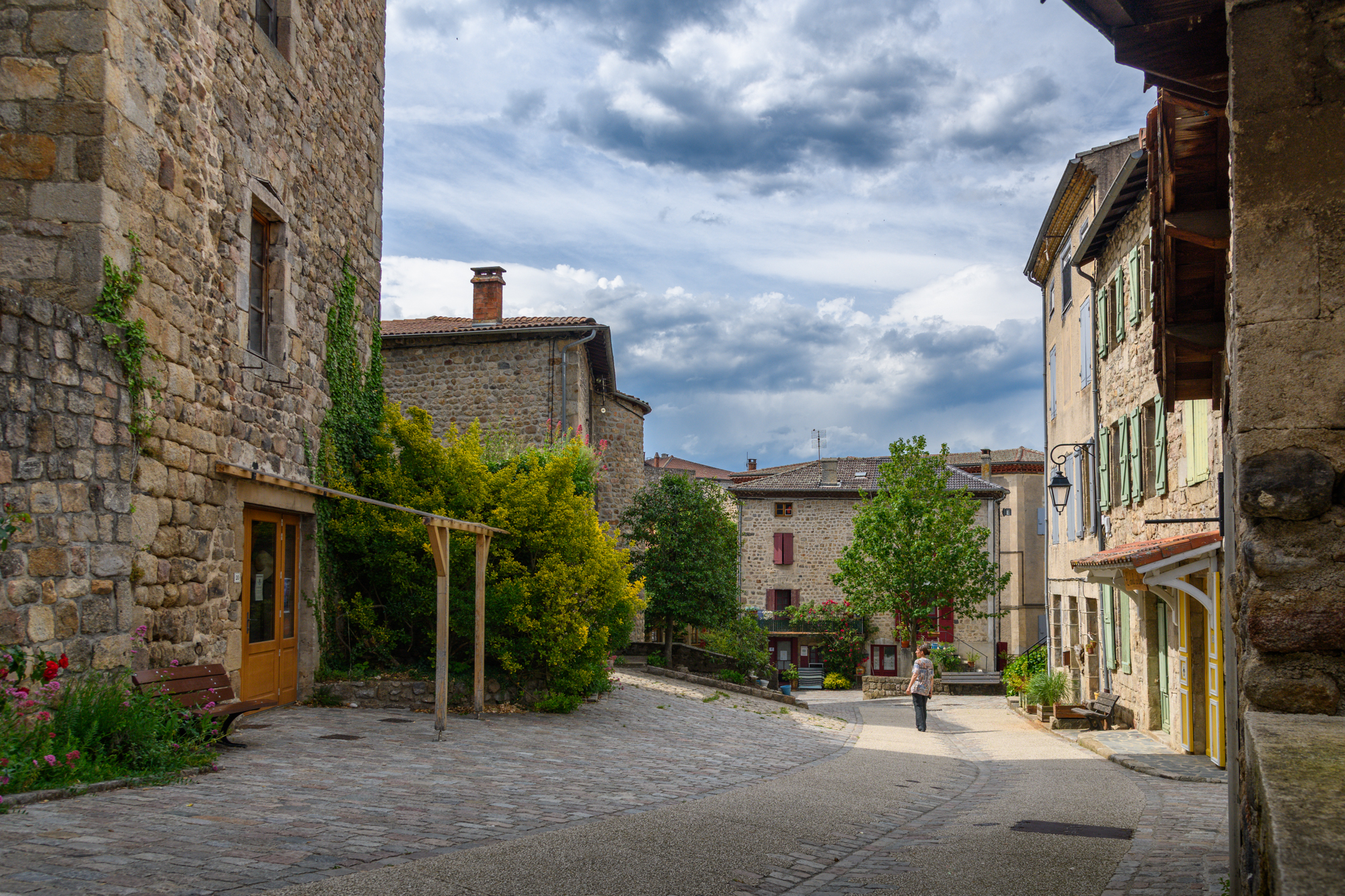
Désaignes is over 2000 years old and was in its prime in the Middle Ages. The village is still teeming with relics: the remnants of a 12th century fortress, a 14th century château, ramparts and 3 of the 4 gateways to the village.
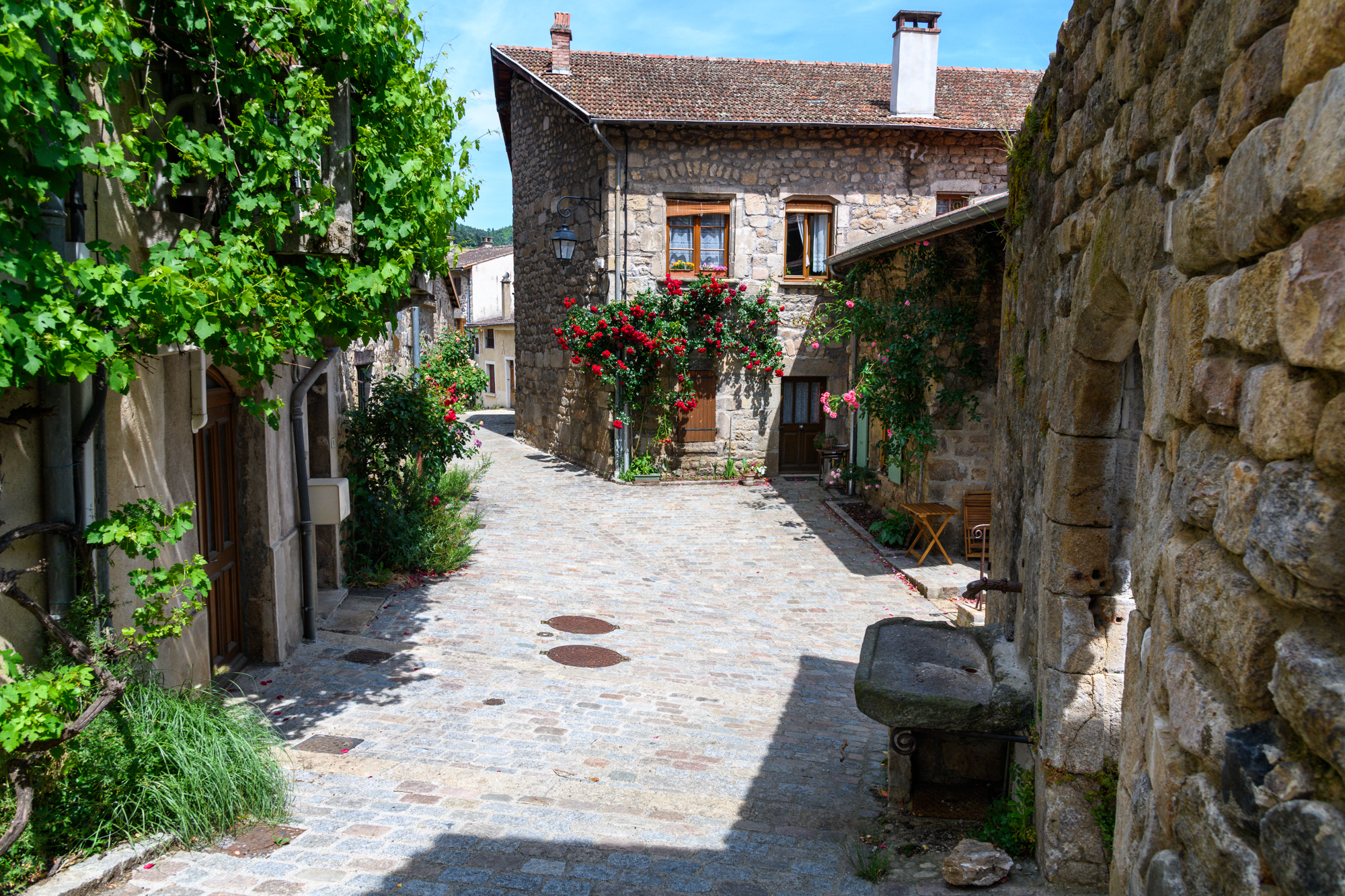
A walk through the medieval village centre allows visitors to discover several old houses, as shown by their ancient doors and windows.
The origins of the village are very ancient. It was located on a Ligurians’ trail, known as the “merchants’ route”, which connected the Rhône Valley to the Ardèche mountains. Around 600 BC, the Greeks reached Désaignes, followed later by the Romans, whose presence is confirmed by the discovery of remains such as coins, thermal baths and villas.
The village flourished during the Middle Ages thanks to the development of trade, crafts and the local bourgeoisie. It became one of the largest towns in Ardèche, with nearly 4,000 inhabitants at the time of the French Revolution.
The history of the commune is closely linked to the Huguenots of Vivarais. As evidence of its Protestant heritage, a temple was built in 1608 and later destroyed in 1684. A second Protestant temple was partially funded and authorised by Louis XVIII in 1822.
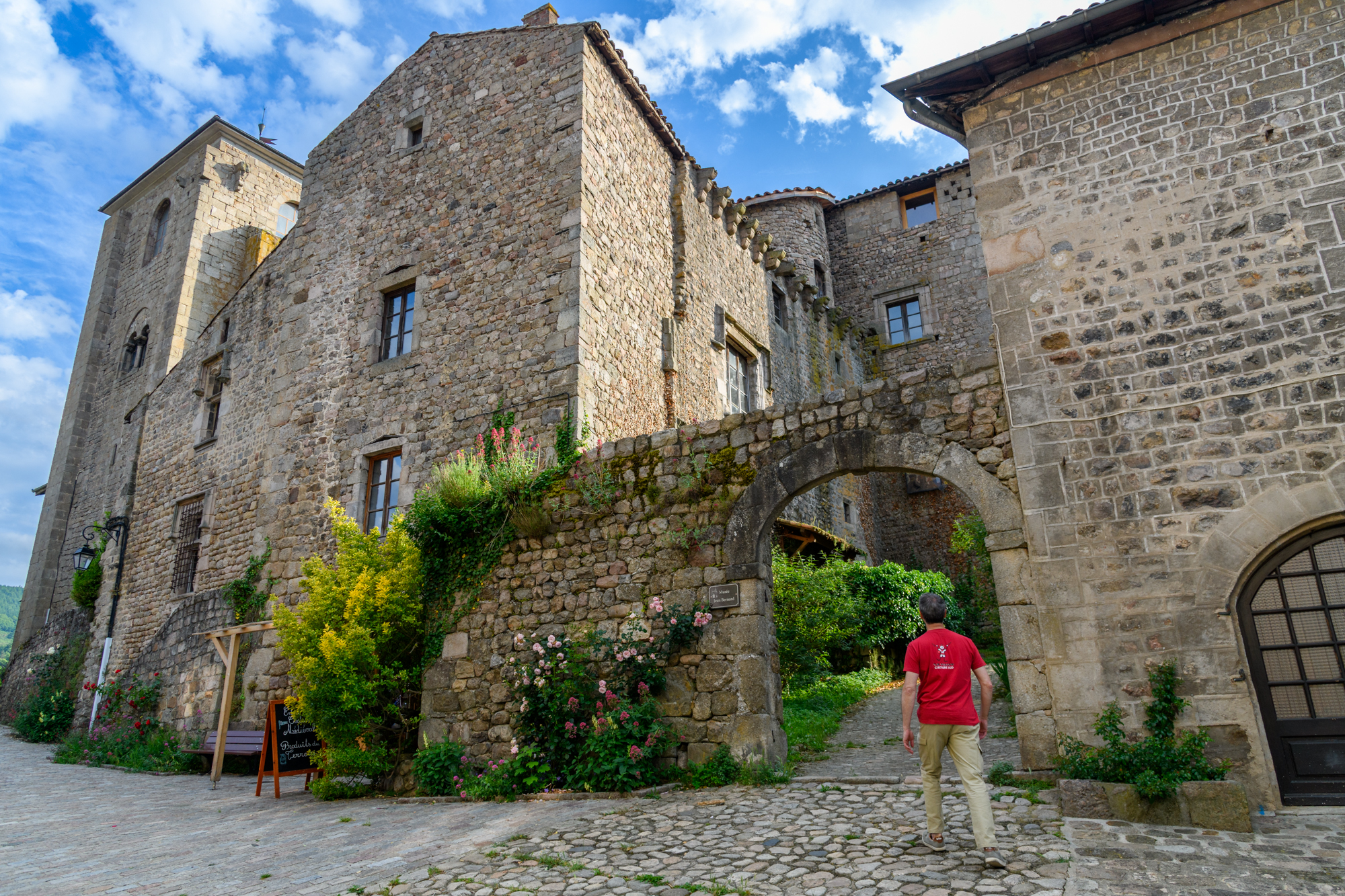
Listed since 1972, the old village forms a remarkable medieval ensemble surrounded by fortified walls pierced by three gates. A fourth gate was destroyed in 1841 during the construction of the current road outside the ramparts.
The Bourg de l’Holme gate still preserves its machicolations and a small watchtower where the lookout once stood. The Janot gate is located near a tower considered to have been an old prison, still featuring arrow slits. The third gate, to the south, is called the Four Gate (or Fornate Gate) and is decorated with the coat of arms of the Retourtour family.
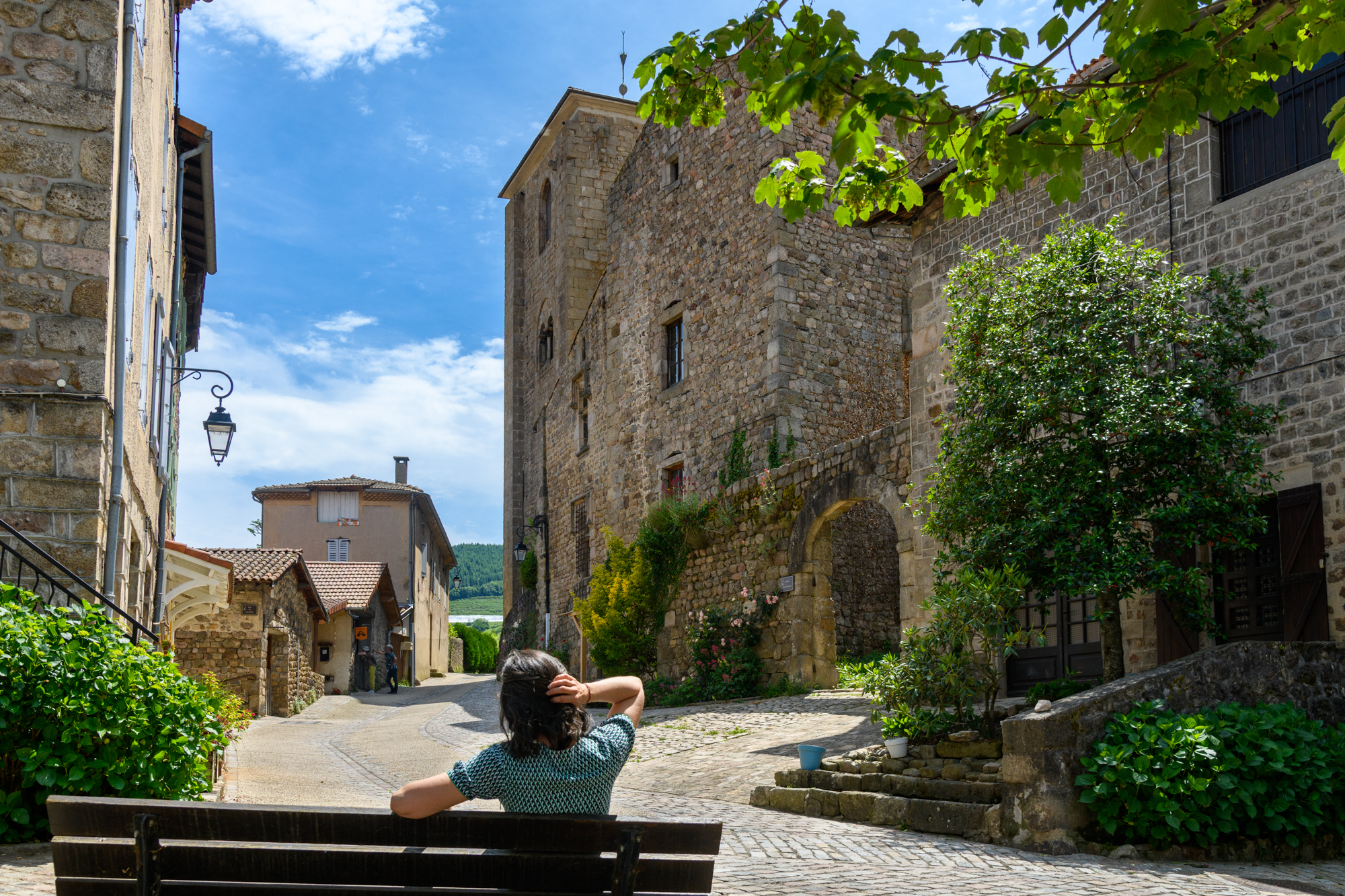
The castle dates from the 14th century. Its keep already existed in 1319, when Lord Odon de Retourtour wrote his will there. The tower has preserved its defensive features, including battlements, crenellations and arrow slits. A 15th-century wrought iron gate, made without welding, is listed as a historic monument.
Another building, known as the “Temple of Diana”, against which the Protestant temple was later built, is probably the first fortress dating back to the 12th century.
This hilly area, with a strong rural tradition, offers an ideal setting for hiking, horse riding, botanical walks and nature discovery.
- Bank/credit card
- Cheque
- Cash
- Pets accepted: Unknown
- Pets allowed (supplementary payment): Unknown
- Not accessible in a wheelchair
Désaignes : a village with outstanding character
Place de la Mairie
07570 Désaignes


